
The Autumn Crocus
Late blooms and the last splash of color in the meadow
Now that the peak of the year has passed and the days are already getting noticeably shorter, the vegetation is also taking on an increasingly autumnal appearance. In Naone, the fields have largely been harvested, and the meadows have been mowed and are heading into winter.
This makes one plant all the more striking: one that apparently does not follow the general rhythm of the seasons and is now in bloom—the autumn crocus.
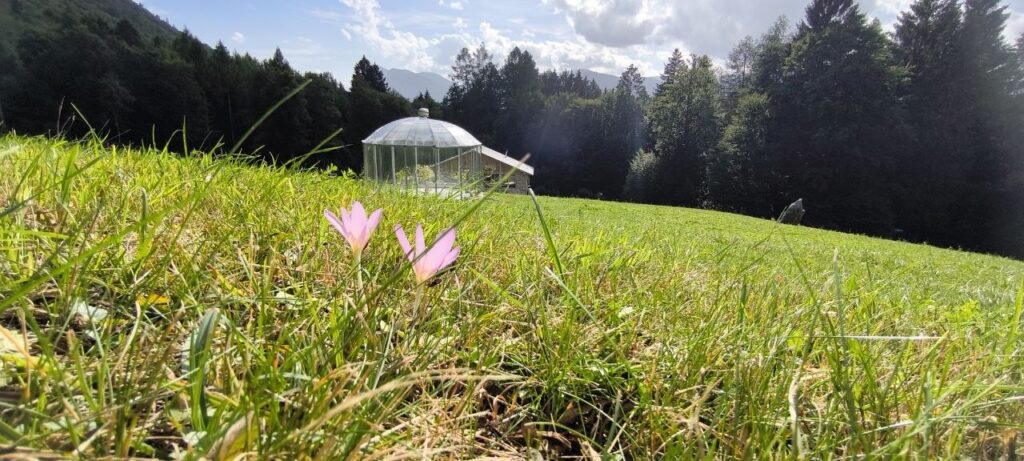

Now, only the late blooms of goldenrod and oxeye daisy provide splashes of yellow, and large clusters of the pale purple calyxes of autumn crocuses tower above the low grass.
At first glance, the flower may remind one of the crocus at the beginning of the floral dance.
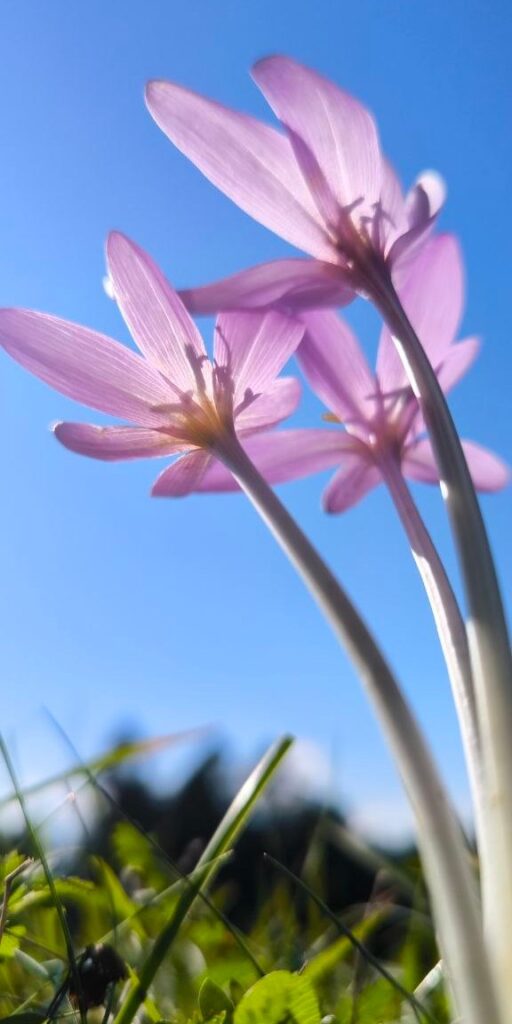
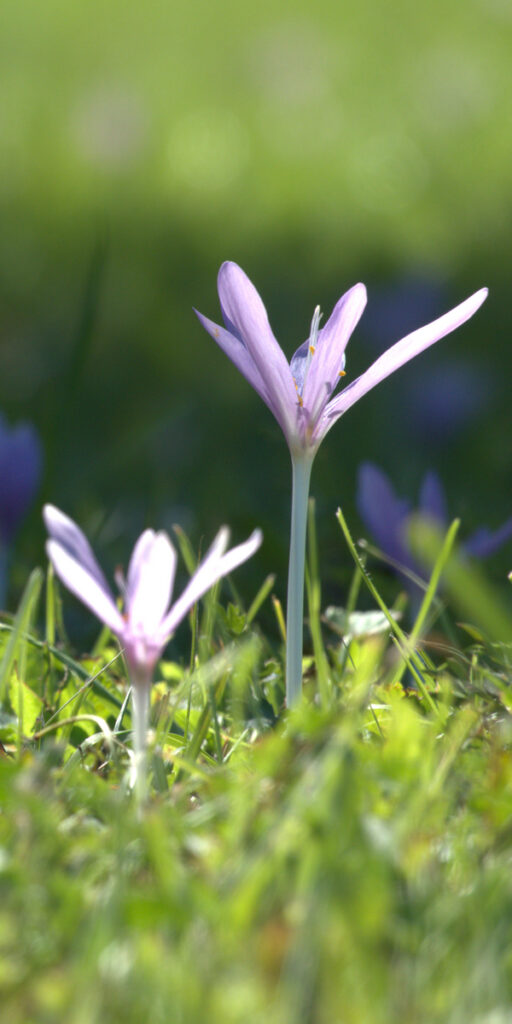
A closer look reveals the absence of any leaves and the pale, seemingly stem-like part of the flower.
What appears to be a stem is actually the calyx, which extends deep into the soil. The ovary forms on the tuber, and the seed capsules do not appear until the following spring—along with the foliage. For this reason, the leaves—which, at first glance, resemble those of wild garlic—are frequently mistaken for them, leading to severe—and often fatal—poisoning.
However, the form perceptible to the senses is always accompanied by a more subtle impression, for the physical is, after all, an expression of finer forces at work. This level can be explored through appropriate questions and reflections—even if it usually comes to consciousness only through intuition.
It is generally known that the autumn crocus is one of the most toxic plants. Now, upon observing it, one might quietly ask whether this can be recognized or sensed simply from its appearance. One possible question might be: How does the plant—or rather, the flower—seem to relate to the light?
Unlike monkshood or belladonna, the flower does not physically turn away from the light in a visible way. A direct analogy is therefore not possible. But perhaps a certain sense of it is possible, especially when comparing it to the crocus, which is quite similar in appearance.
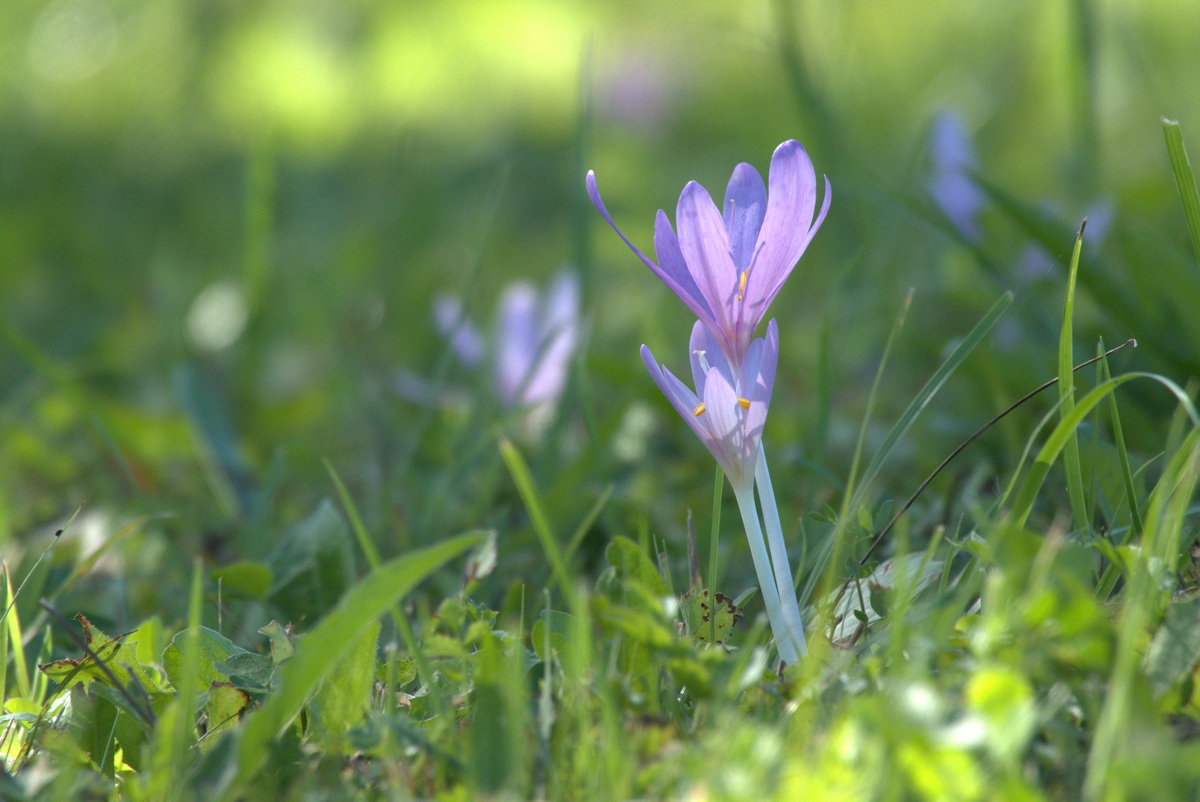
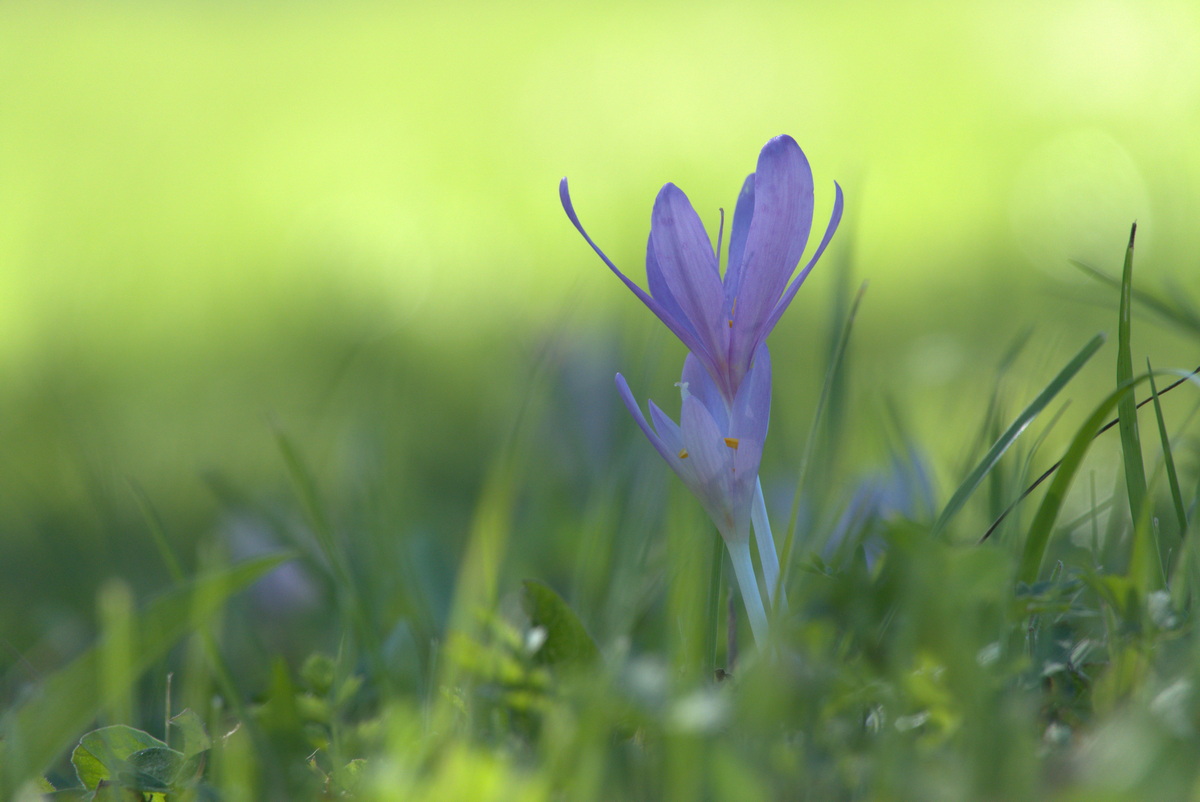
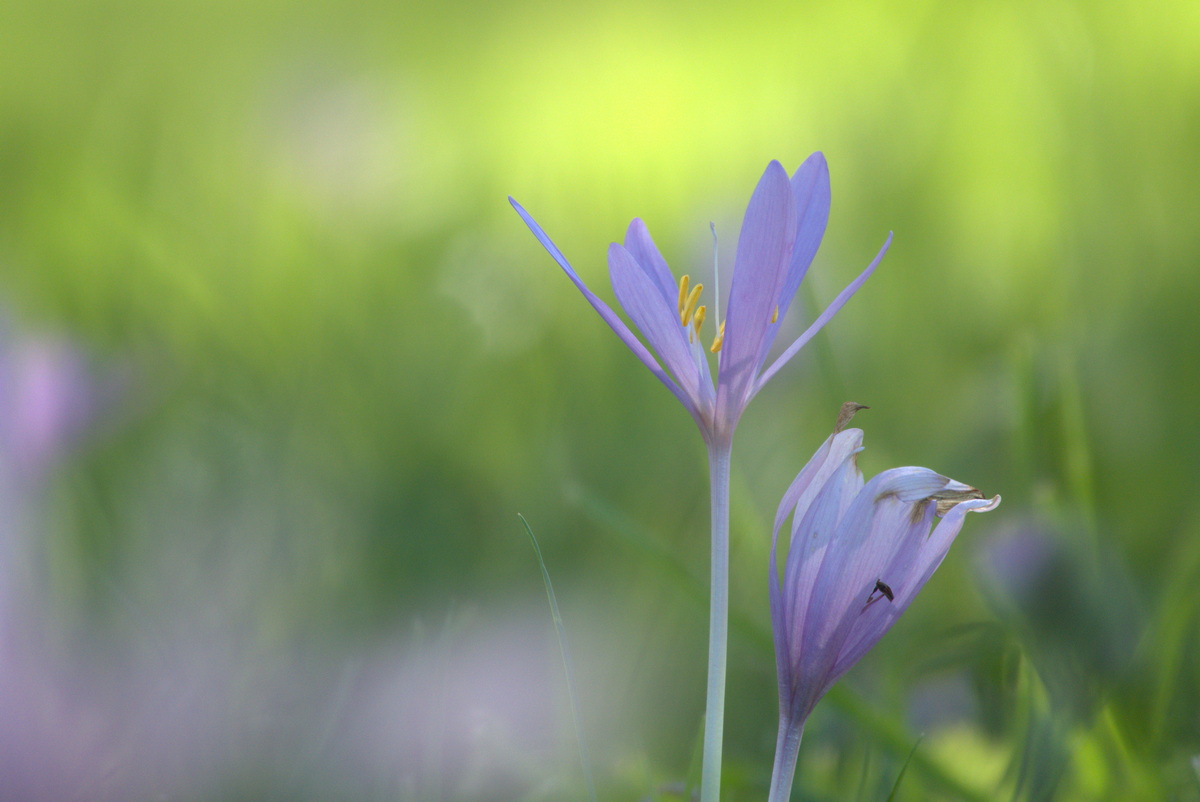
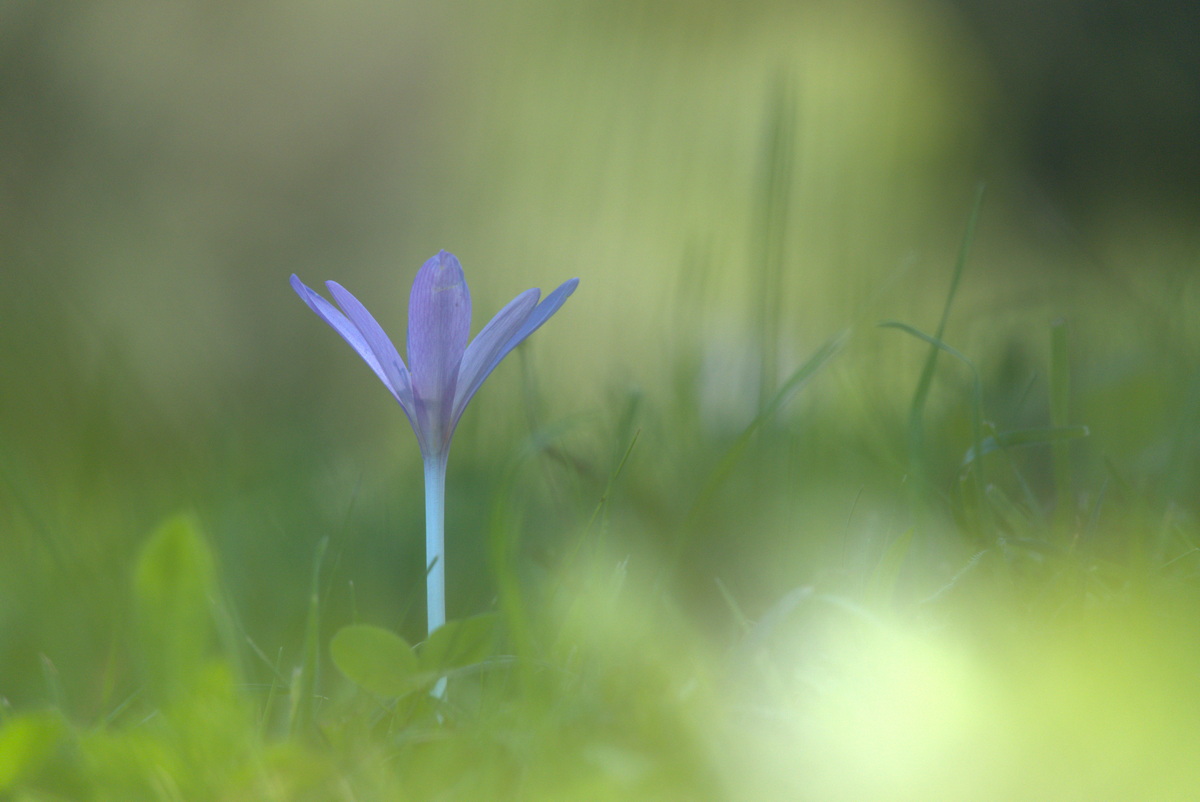
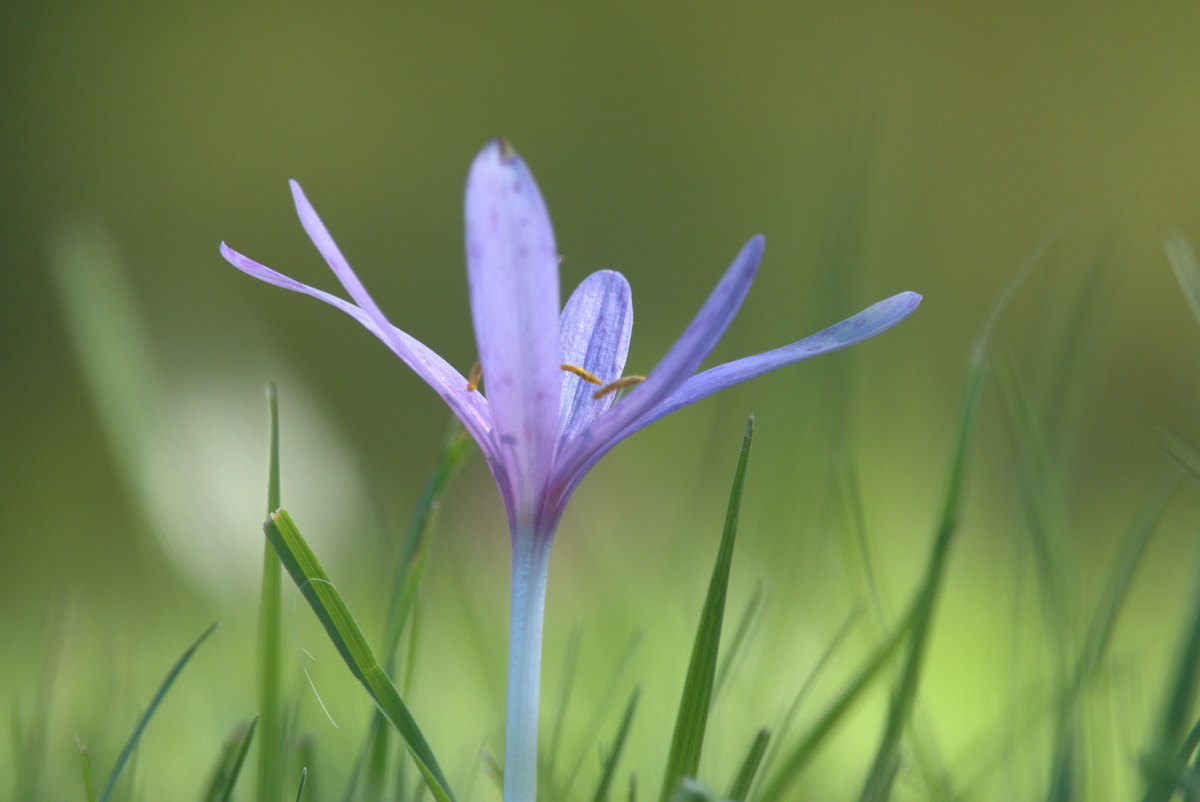
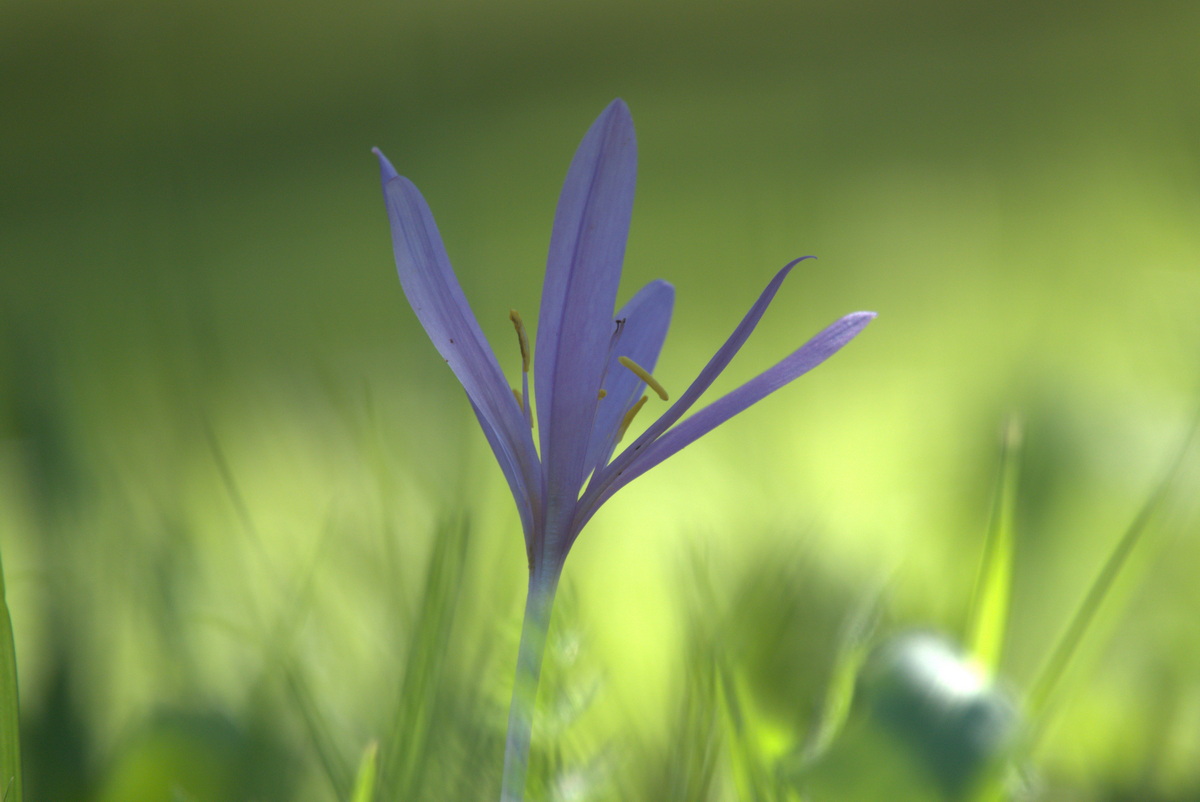
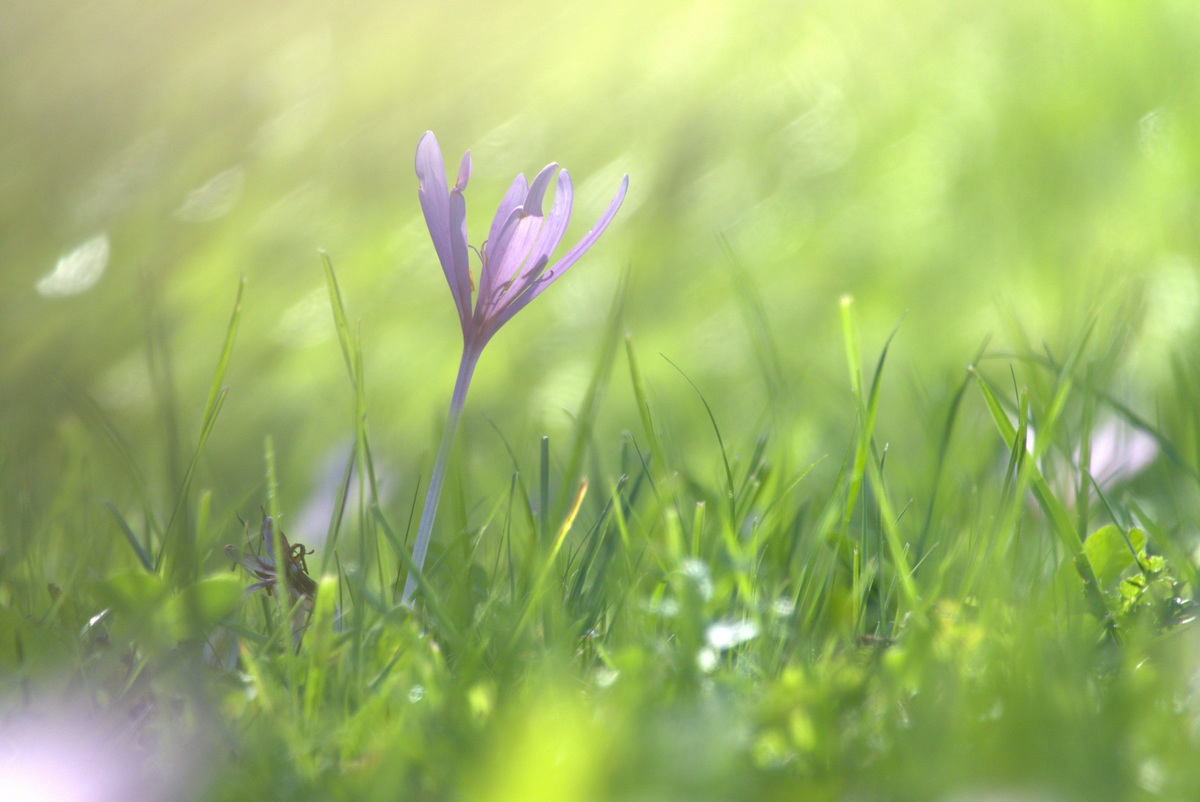

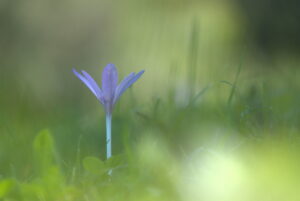
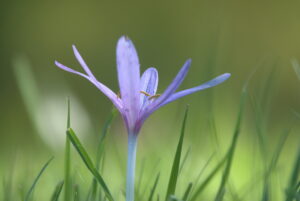
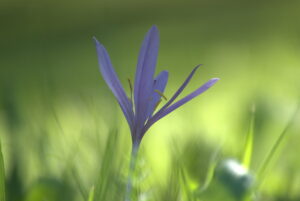

Autumn crocus (Colchicum autumnale)
How does the flower relate to the light?
What expression can be sensed or discerned?
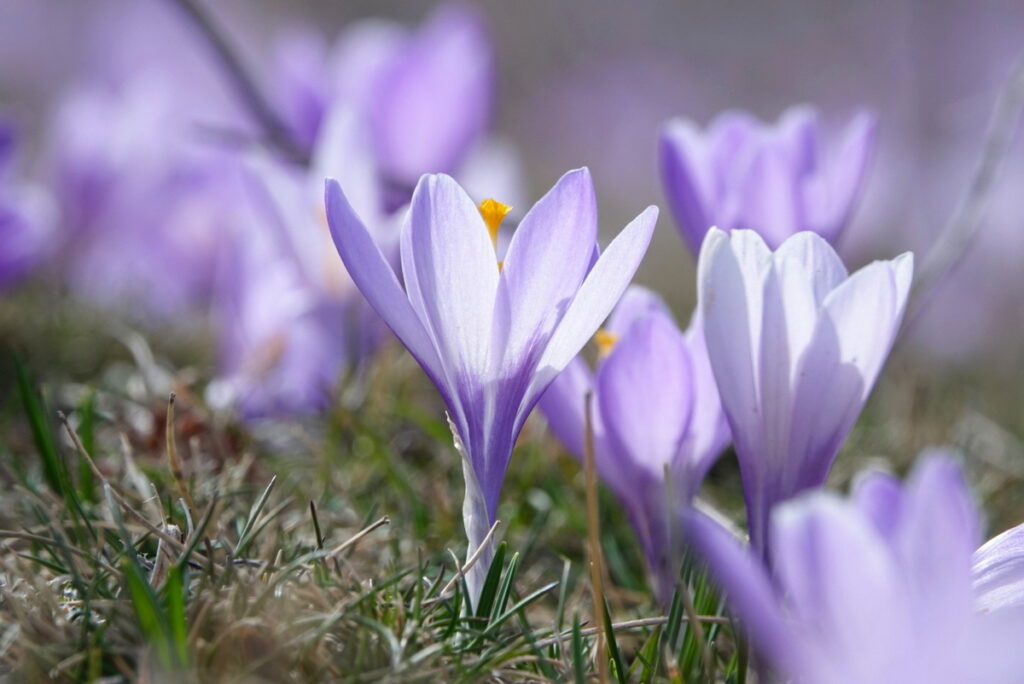
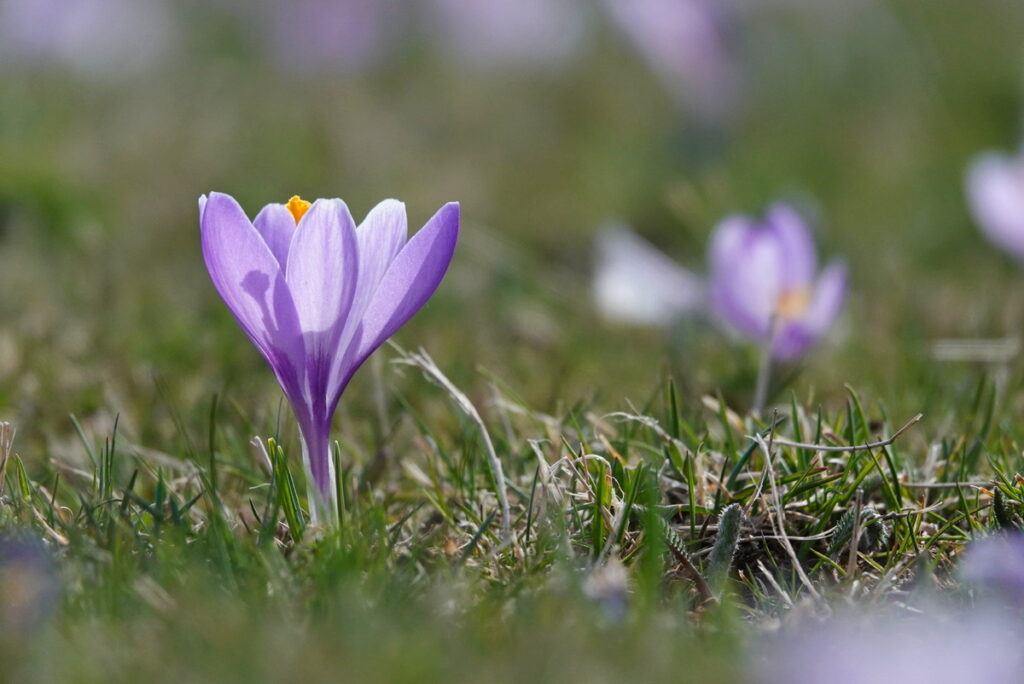
Spring Crocus (Crocus vernus)
Text: Martin Sinzinger, 17.09.2026
Fotos: Martin Sinzinger, Ulrike Sinzinger
Rudolf Steiner also mentions the autumn crocus in a very interesting context:
„Let’s look at the flower, on the other hand. When we gaze at it with the eye of the spirit, we can’t help but perceive it as our own soul when it harbors its most tender desires. Just take a look at a true spring blossom; it is, after all, a breath of longing; it is the embodiment of yearning. And if we possess enough tender sensitivity of soul, something wonderful actually pours forth from the world of blossoms that surrounds us.
In the spring we see the violet—or, if you will, the March cup, the lily of the valley, or some other little plant with yellow flowers—and we are moved by them, just as if all these spring-blooming plants were trying to tell us: “Oh, human being, how pure and innocent you can actually direct your longings toward the spiritual.” – The spiritual nature of desire—I would say, the nature of desire steeped in piety—sprouts and blossoms from every spring flower. When the later blooms appear—let’s take the extreme example, let’s take the autumn crocus—well, can one truly gaze upon the autumn crocus with a spiritual sensibility without feeling a slight sense of shame? Does it not remind us that our desires can become impure, that our desires can be permeated by the most varied forms of impurity? One might say that the autumn crocuses speak to us from all sides, as if they were constantly whispering to us: Look upon your world of desires, O human being, and see how easily you can become a sinner.
And so, in fact, the plant world is the outward reflection of the human conscience in nature. One cannot imagine anything more poetic than to conceive of this voice of conscience—emerging from within as if from a single point—as being distributed across the most diverse forms of plant blossoms, which speak to our souls throughout the seasons in the most varied ways. The plant world is the expanded mirror of the conscience, if only we know how to view it in the right way..“
Zitat aus: Rudolf Steiner, “Der Mensch als Zusammenklang des schaffenden, bildenden und gestaltenden Weltenwortes”, Elfter Vortrag vom 10. November 1023, gehalten in Dornach, GA 230, S. 185f
The idea that plants represent virtues was already explored in an article published this summer: “A Flower Meadow in Summer: Beauty for the Soul”