
Experiencing the Seasons: Fall
Each season has its own unique atmosphere
Each season carries a special hue, a specific mood, with which we resonate, live, and experience. We feel naturally and effortlessly carried by spring—at first subtle and delicate, then swelling and expanding with ever-greater vigor.
How boundlessly we soar out into the vastness of summer.
More or less consciously, we sense how, from the summer solstice onward, the force of expansion recedes and gathers, giving way to a process of gathering that ushers in ripening and fruit-bearing.
With each passing year of our lives, we experience the natural rhythm of the year once again.
Where do these moods come from? Where does the rhythm originate?
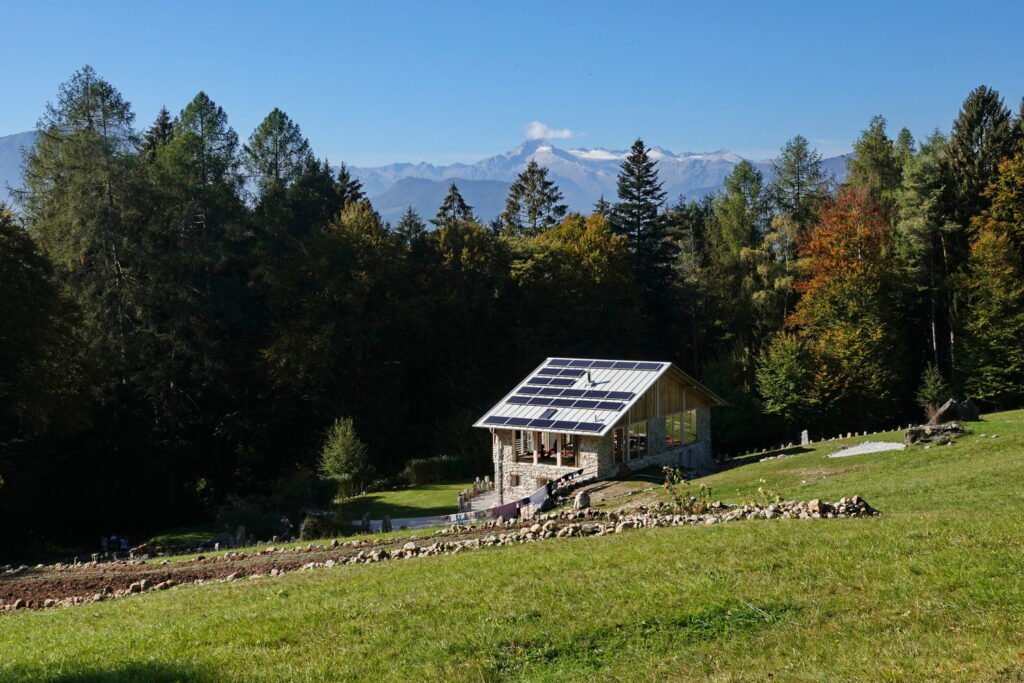
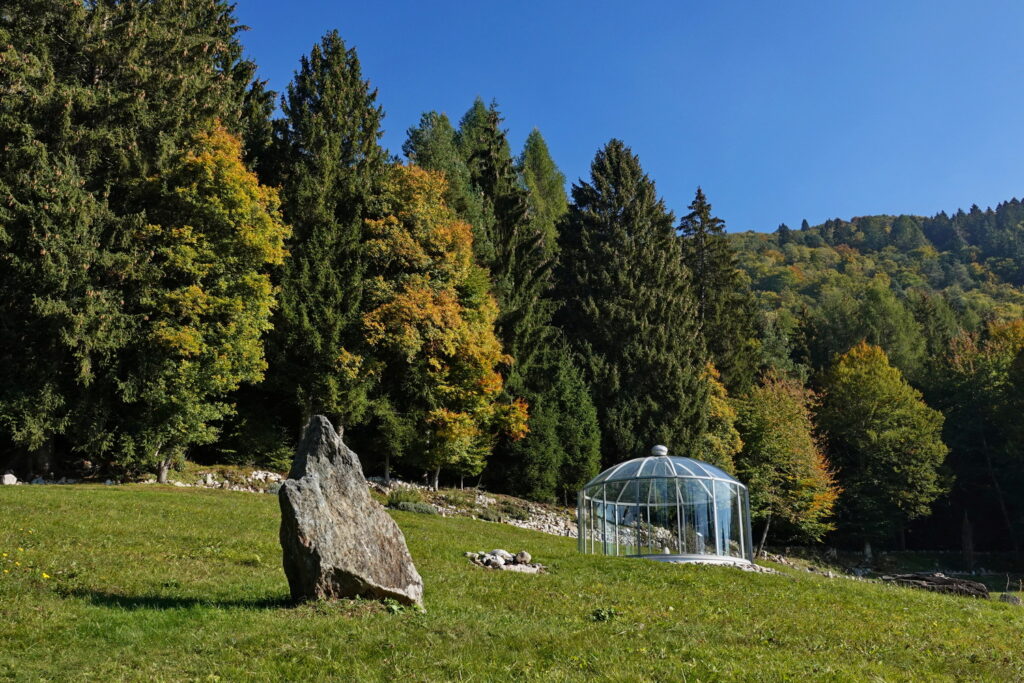
„Rhythm is the result of cosmic influences interacting with the earthly realm and within the Earth’s sphere of influence. The cosmos acts upon the earthly realm. The better and more harmoniously this interaction takes place—from the outside, from a greater force, from a sea of stars, or from the sun—with the earthly world, the more naturally the rhythmic element emerges..“
(Heinz Grill)(1)
Our human lives are so intimately intertwined with the seasons that it often takes a deliberate effort to step back and gain enough perspective to observe them.
A conscious pause in one’s thinking.
The cosmos—the world of the sun, the planets, and the stars—encounters the Earth. It is through this contact and interpenetration that the defining sequence and qualities of the seasons arise.
„The true ecologist will experience the blooming and withering that accompany the changing seasons with a deep sense of emotion, and will feel like a part of the era in which he lives. His eyes radiate a contemplative yet keenly perceptive light..“
(Heinz Grill) (2)
What kind of atmosphere does fall bring?
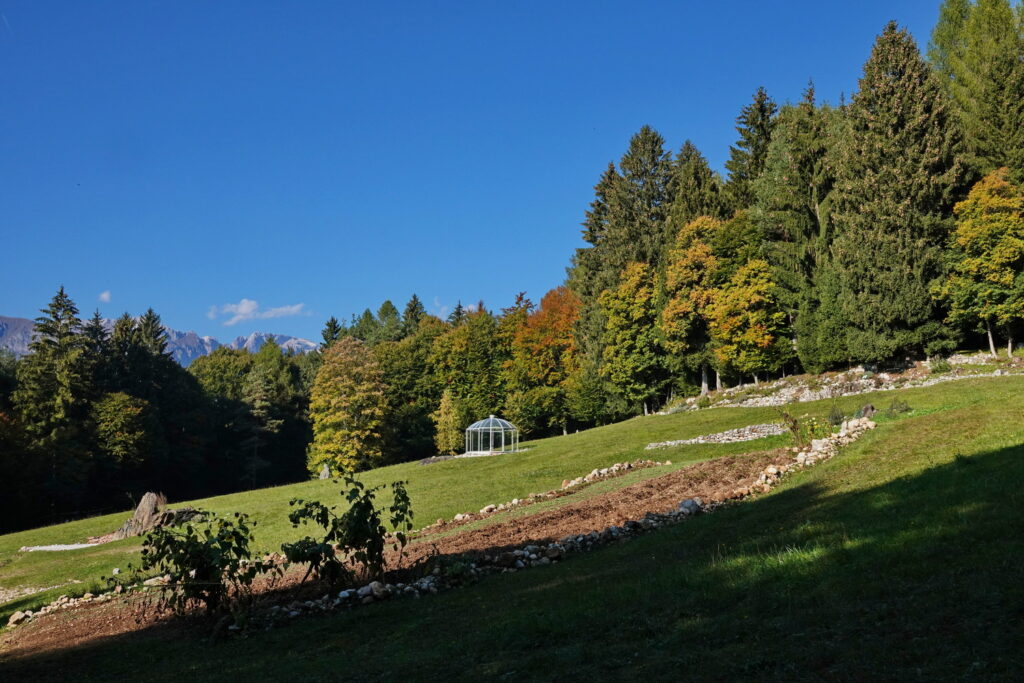
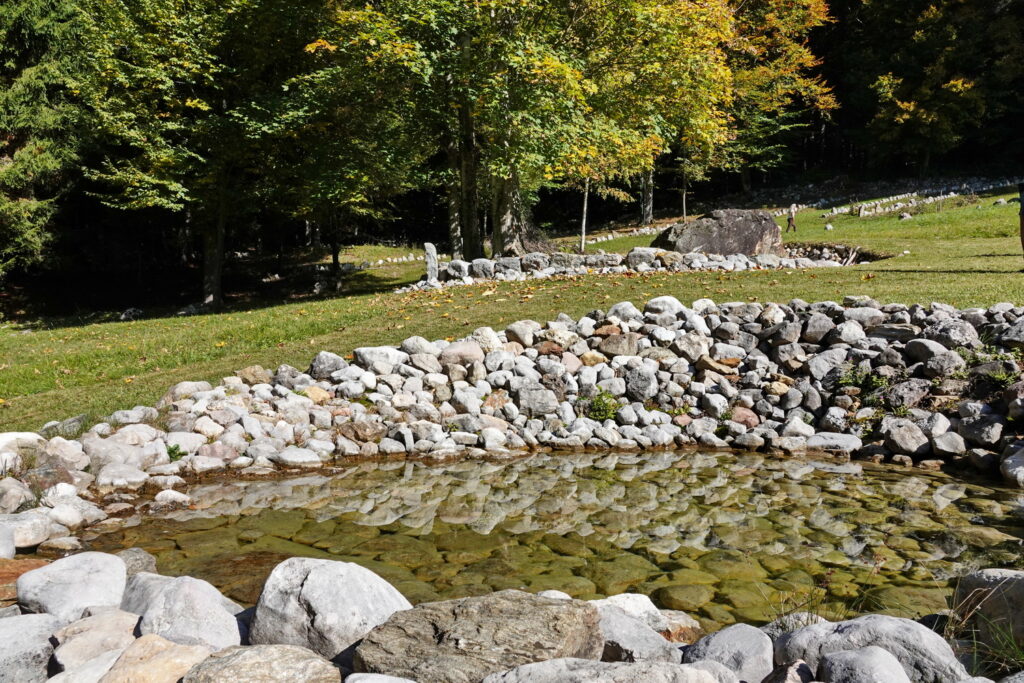
How often do we conjure up the image of a “golden” fall? Clear, sunny conditions that make the changing leaves or needles glow a golden yellow. Hikers and mountaineers rejoice in stable weather conditions before the first snow renders the summit regions inaccessible.
The atmosphere seems to grow calmer, more focused. People’s emotional experiences often reflect this. A certain wistfulness bids farewell to the summer warmth and comes to terms with the inescapable fact of the nights growing longer.
Up to this point, the description is surely easy for everyone to relate to.
However, through the writings of various spiritual researchers, we learn that there are even more fundamental, hidden, and yet essential qualities underlying all this—qualities that are less readily accessible.
Just during the last few days of the study course, Heinz Grill had spoken about how human beings must cultivate many feelings through concrete, conscious effort. The impressions that arise intuitively alone would not be sufficient to steer one’s life path in a more ideal direction. Consciously cultivated feelings are absolutely necessary.
When it comes to experiencing the seasons, it is Rudolf Steiner who identifies and describes four distinct moods. And it is also he who urgently points out that, for further development on and for the Earth, the feelings of autumn—the “Michaelmas period”—must permeate people as a counterpoint to the idea of Easter.
What feelings does Rudolf Steiner describe for fall, the “Michaeli season”?
The following paragraphs are an excerpt from the lecture given on April 2, 1923, in Dornach (3)
„But also to be able to sense when the leaves fade and take on their autumn colors, when the animals retreat into their hiding places; to be able to feel how, within the withering physical world, the glittering, radiant spiritual-soul aspect arises; to be able to sense how, as the leaves turn yellow, there is a passing away of the sprouting, budding life, but how the physical turns yellow so that the spiritual may live in that yellowing as such—to be able to feel how, in the falling of the leaves, the ascent of the spirit takes place, how the spiritual is the counter-revelation of the fading physical: this is what should inspire people as a spiritual sensation during the autumn season.
Through anthroposophical spiritual science, human beings should become imbued with the truth that it is precisely the spiritual life of human beings on Earth that is connected to the declining physical life. […] Thought struggles its way up from the decaying matter. The unfolding of thoughts within themselves, the shining forth of ideas in the human soul and throughout the entire human organism—a sense of kinship with the yellowing leaves, with the withering foliage of plants, with the drying up of plants—this sense of kinship between the human spiritual being and the spirit of nature: this can give a person that impulse which strengthens their will, that impulse which points a person toward the interpenetration of the will with spirituality. […]
The plant that sprouts in spring embodies the spiritual in its growth, in its sprouting and development. The spiritual is interwoven with the physical; essentially, they form a unity. As the plant withers, it sheds its leaves and the spirit rises: there is the spirit—the invisible, supersensory spirit—and the material that falls away..“
Personal Experience and the Social Dimension
A key element of the path of training led by Heinz Grill is that all experiences and insights are not intended to provide a sense of personal elation. Rather, the possibilities that have been acquired and revealed are to be developed in substance and integrated into a synthesis with the “world”—for example, with one’s social environment or nature.
Regarding yoga exercises, Heinz Grill wrote in October 2026:
„These exercises promote peace and strengthen the heart center. They are positive acts that are inscribed in a pleasant way into the creation of the universe—or, to put it another way, into the Akashic Records..
There is little point in espousing slogans of peace and engaging in discussions about injustice and justice, for as long as the true fruits of development are lacking, the cosmic world falls silent, and the light of connection—which reconciles the spirit, or the cosmic world in general, with the earthly realm—is absent.“
Heinz Grill (4)
Insofar as we, as observers of nature, transcend emotional boundaries, cultivate more comprehensive sensations, and—in this process—allow the cosmic and earthly worlds to intersect within us, this can accordingly have a peace-promoting effect.
Rudolf Steiner describes it in a similar way in the lectures mentioned:
„Everything that people hope for from a renewal of social life will not come from all the discussions and all the institutions that relate to the external and sensory; it can come about only when a powerful, inspiring thought passes through humanity, when an inspiring thought seizes humanity, through which the moral-spiritual is once again felt to be directly connected with the natural-sensory. […] In reality, nothing can be achieved with all of today’s discussions and reform ideas; something can be achieved only through the powerful impact of a thought impulse drawn from the spirit.
For we must be clear that the very idea of Easter would take on a new dimension if it were complemented by the idea of Michael.“
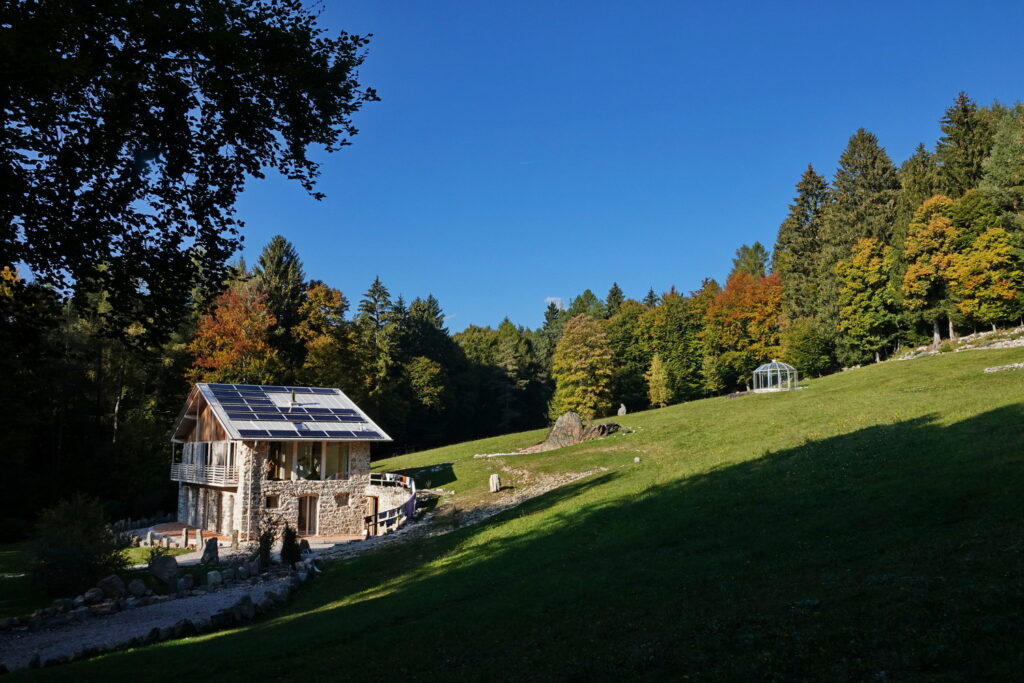
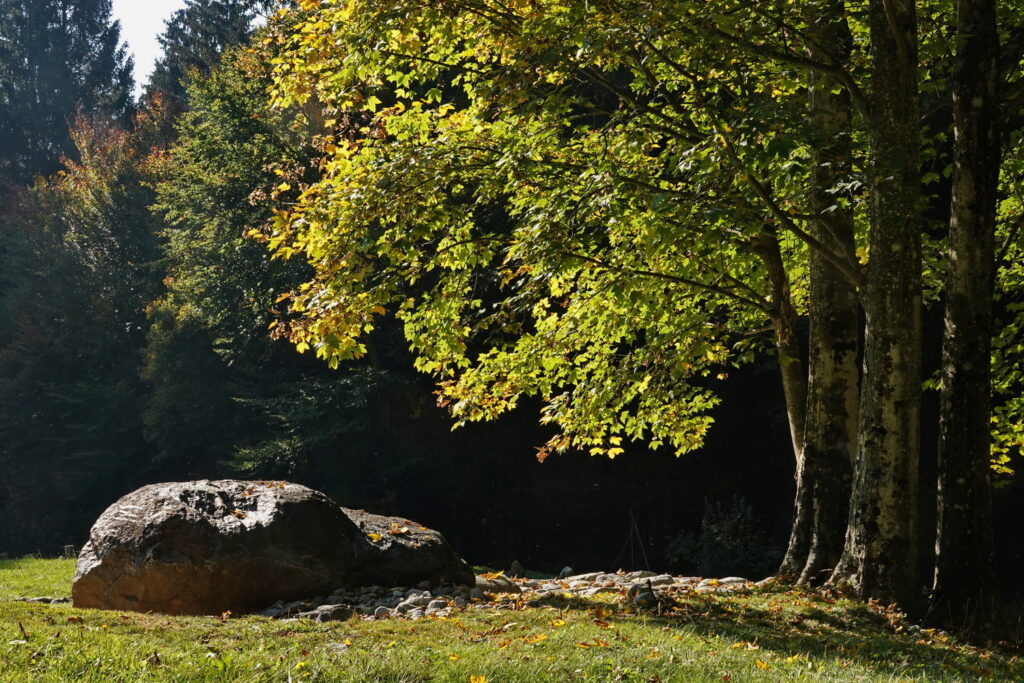
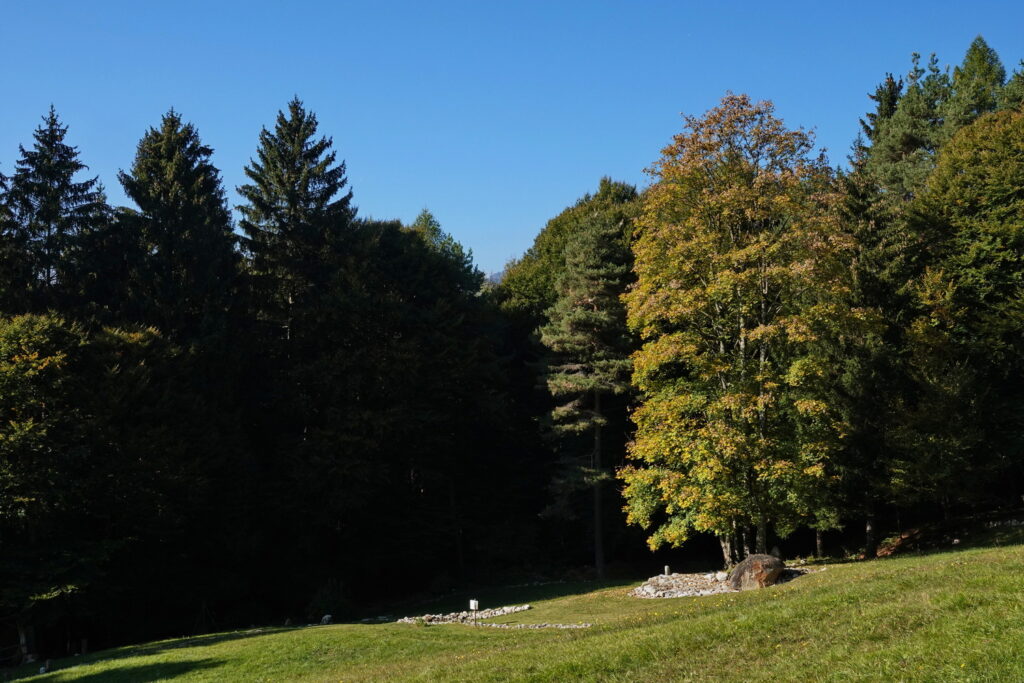
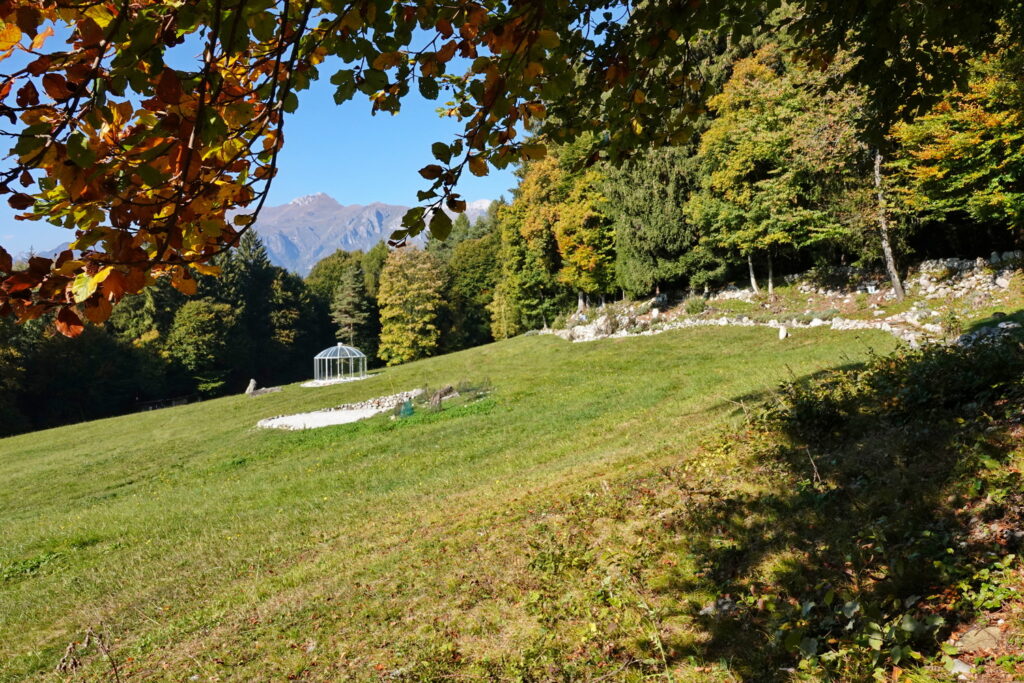
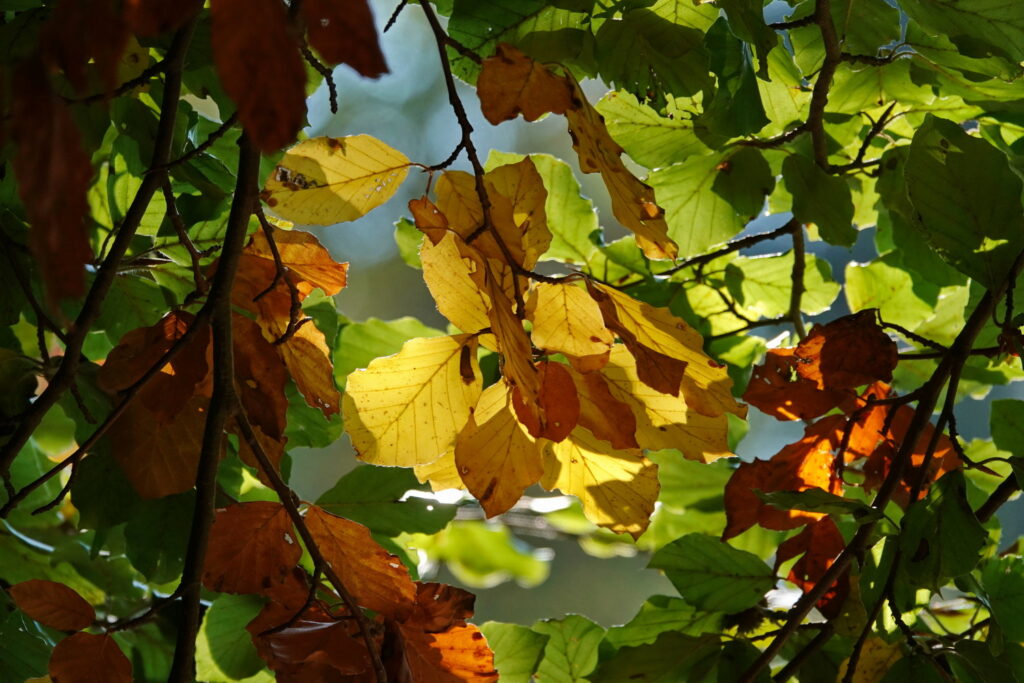
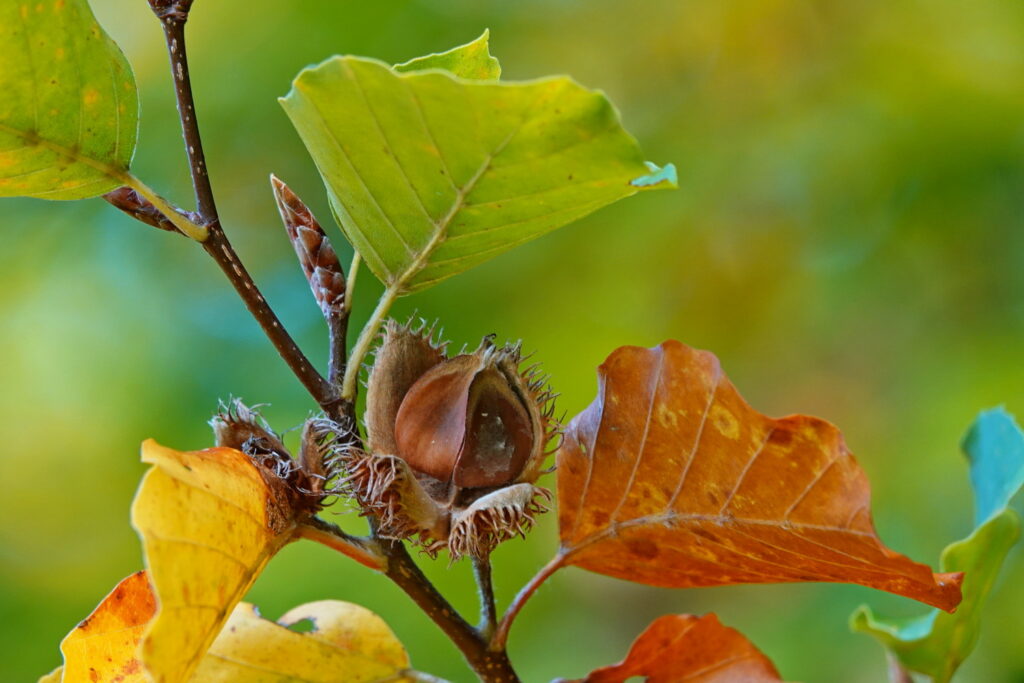
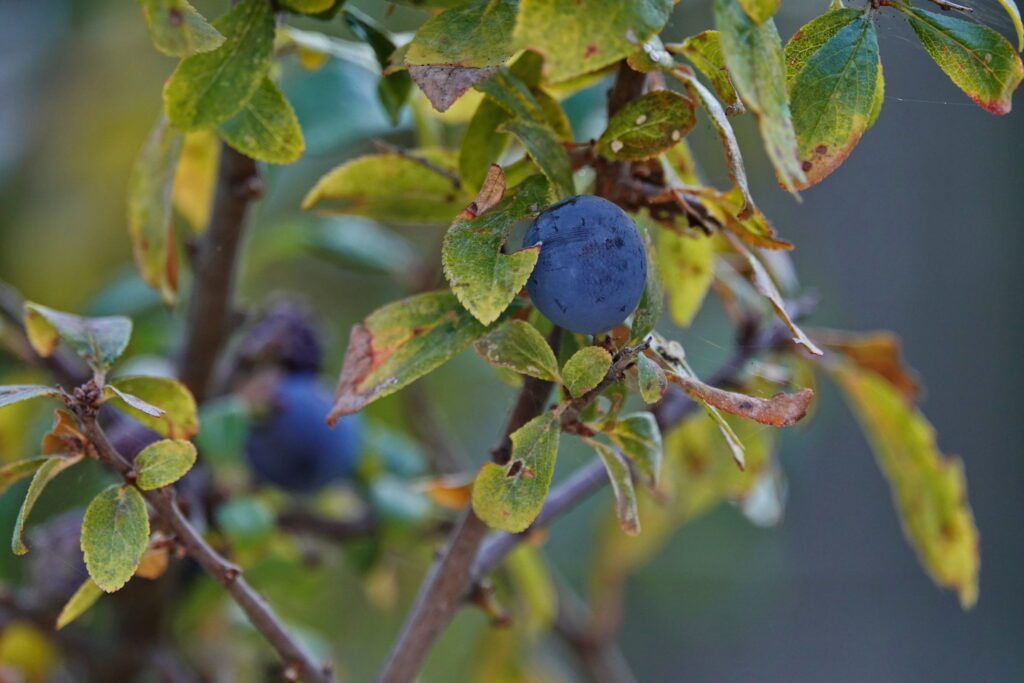
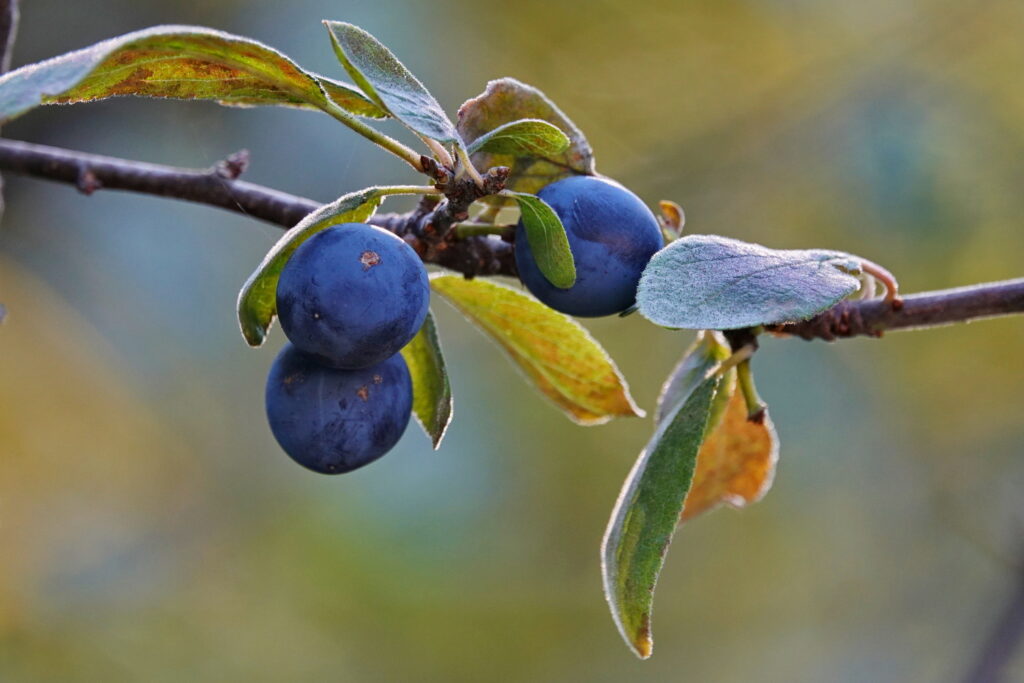
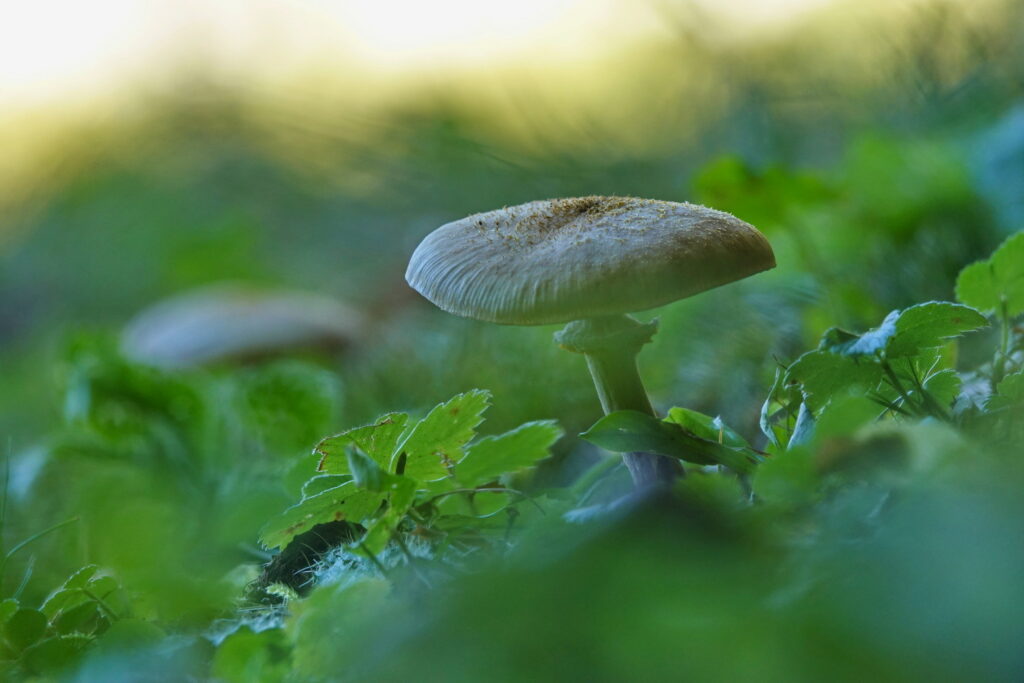
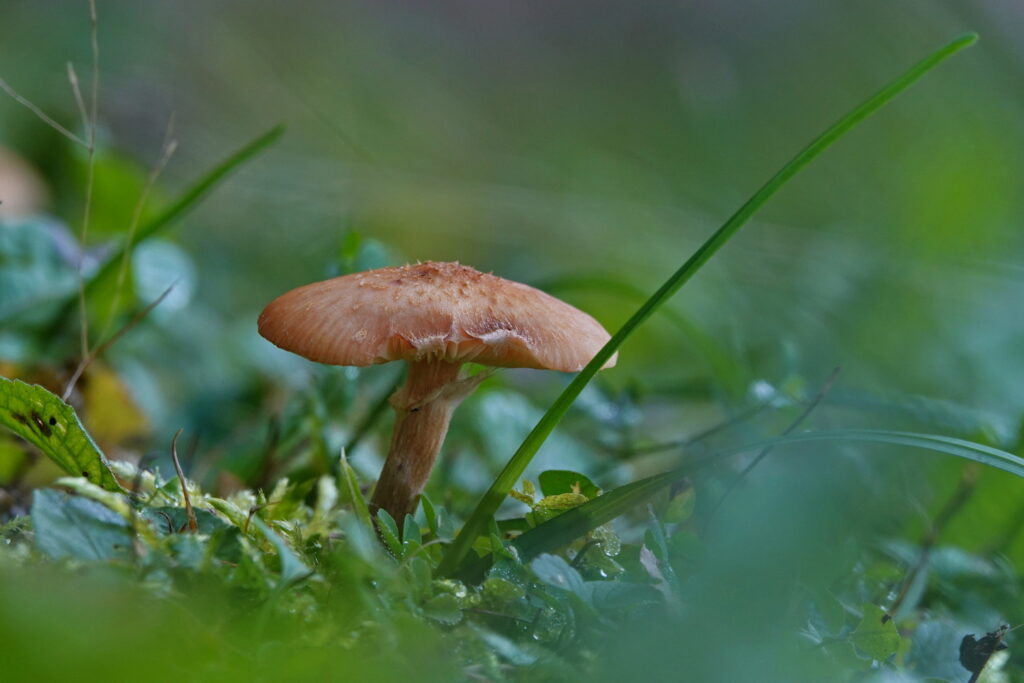
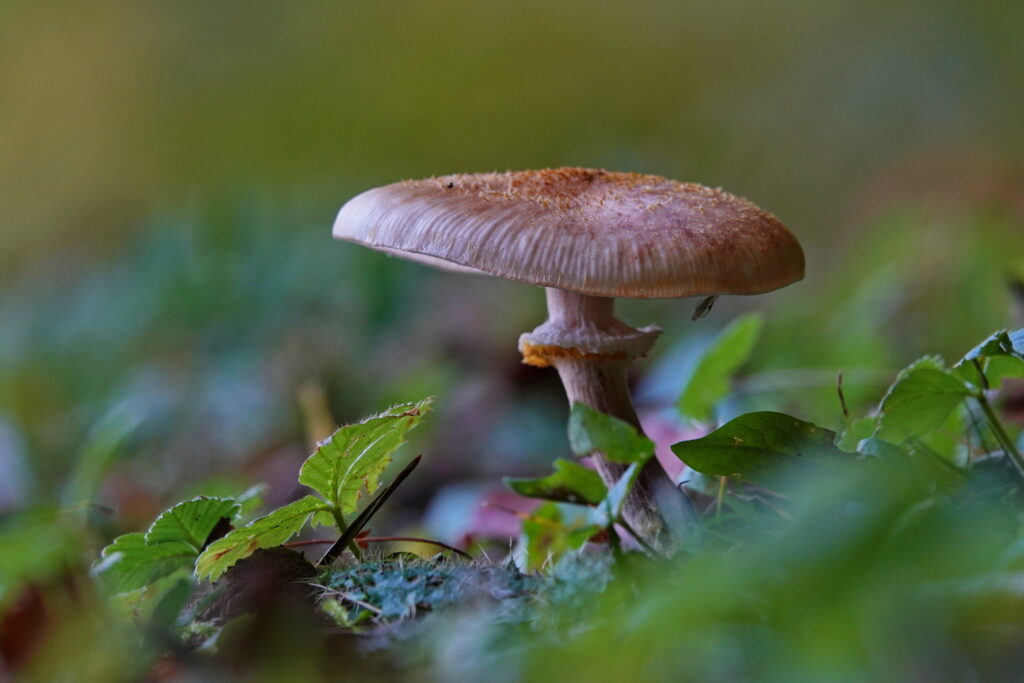
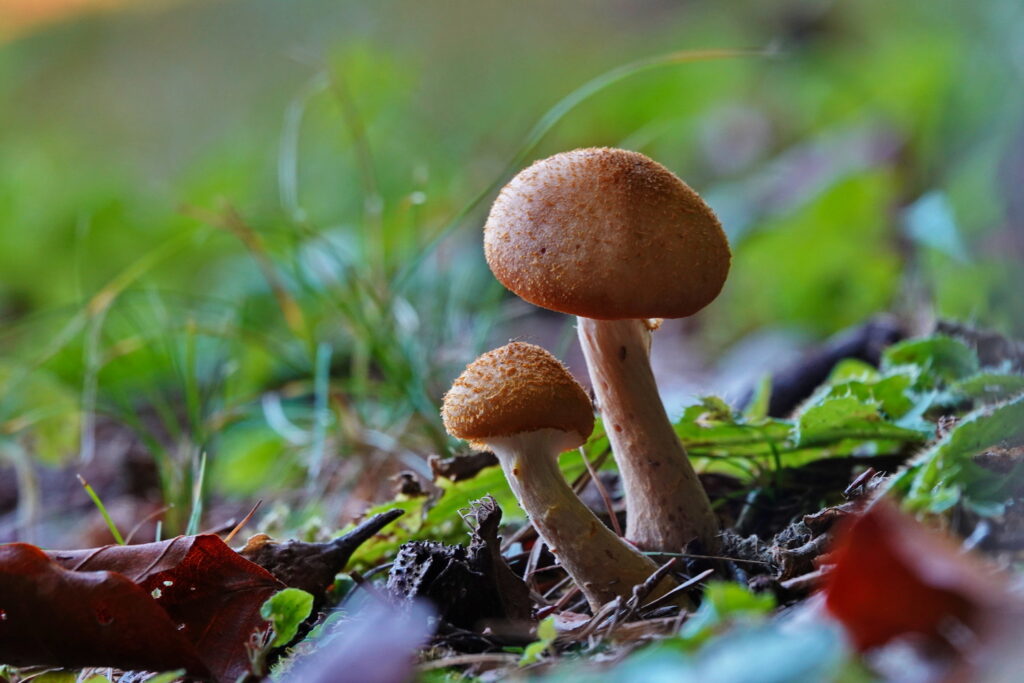
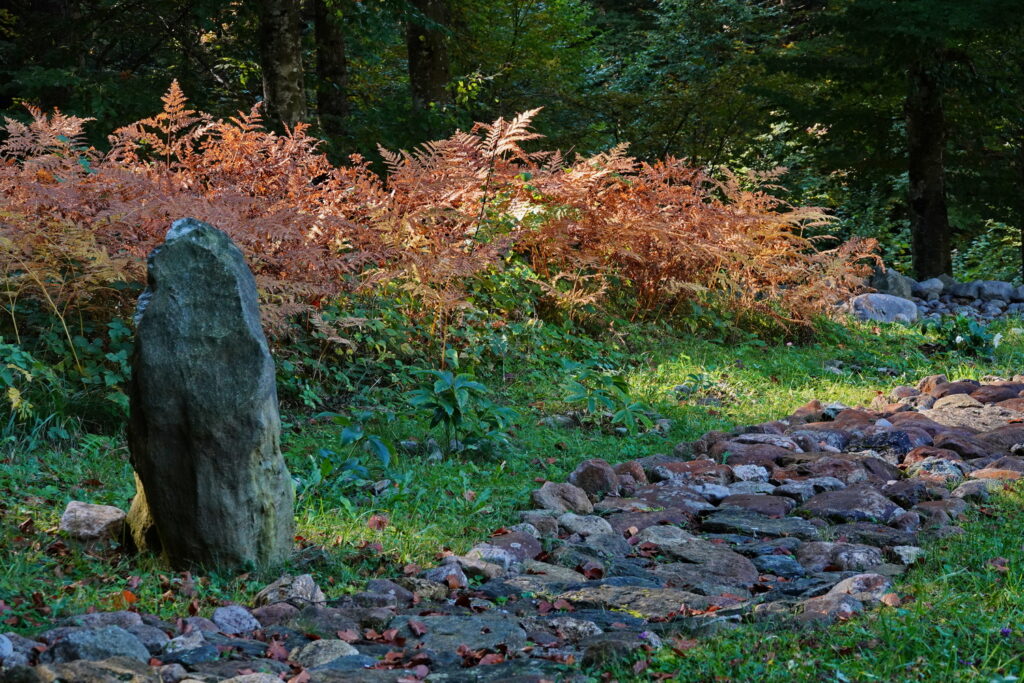
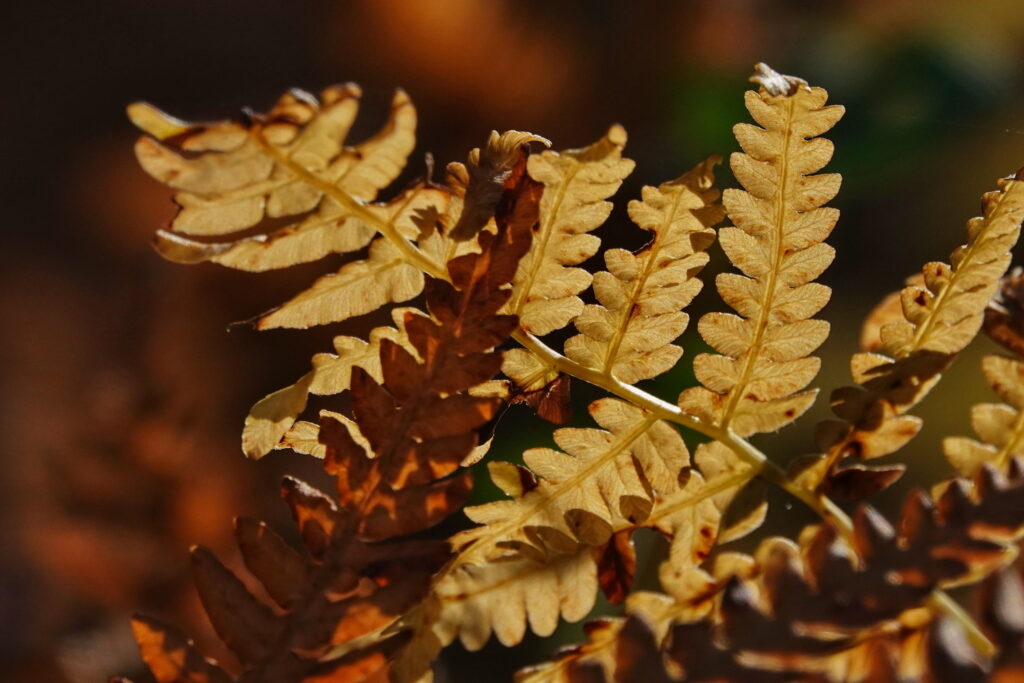
The following photos were taken in Naone in mid-October 2026.
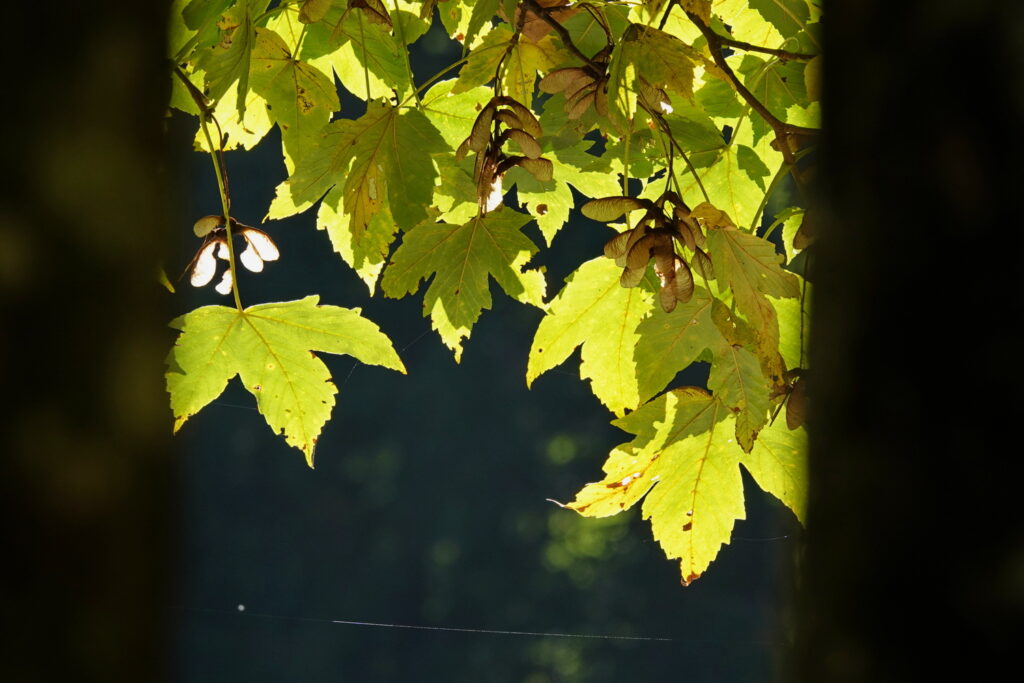
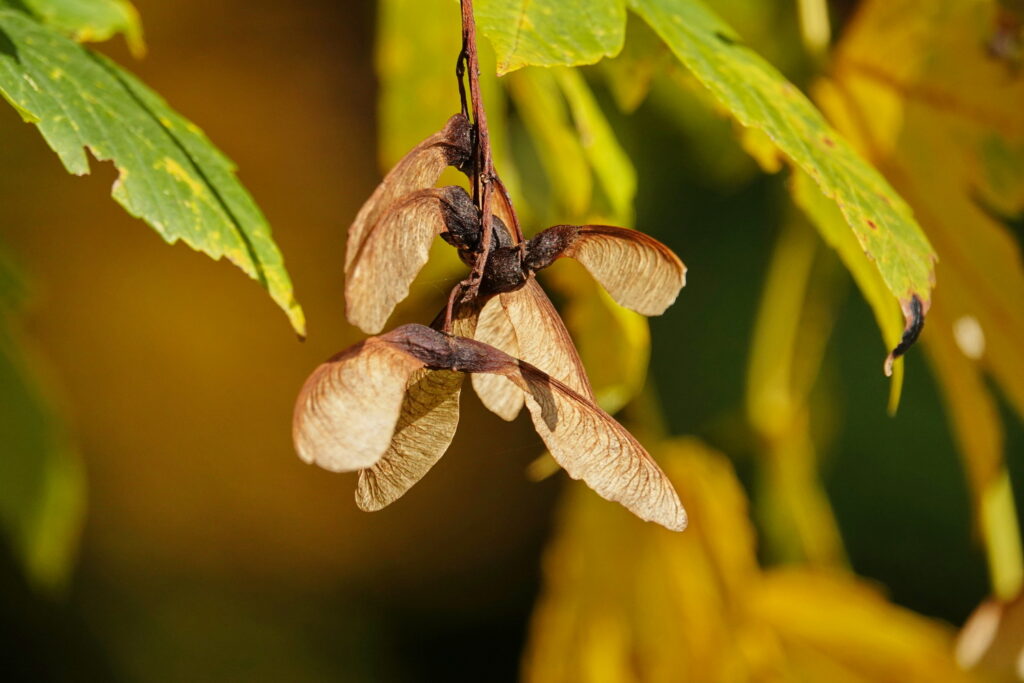
The maple plays no special role in medicine, but the very high sugar content of the tree sap—43%—is remarkable. The well-known and prized maple syrup is produced primarily in Canada from sugar maple and black maple.

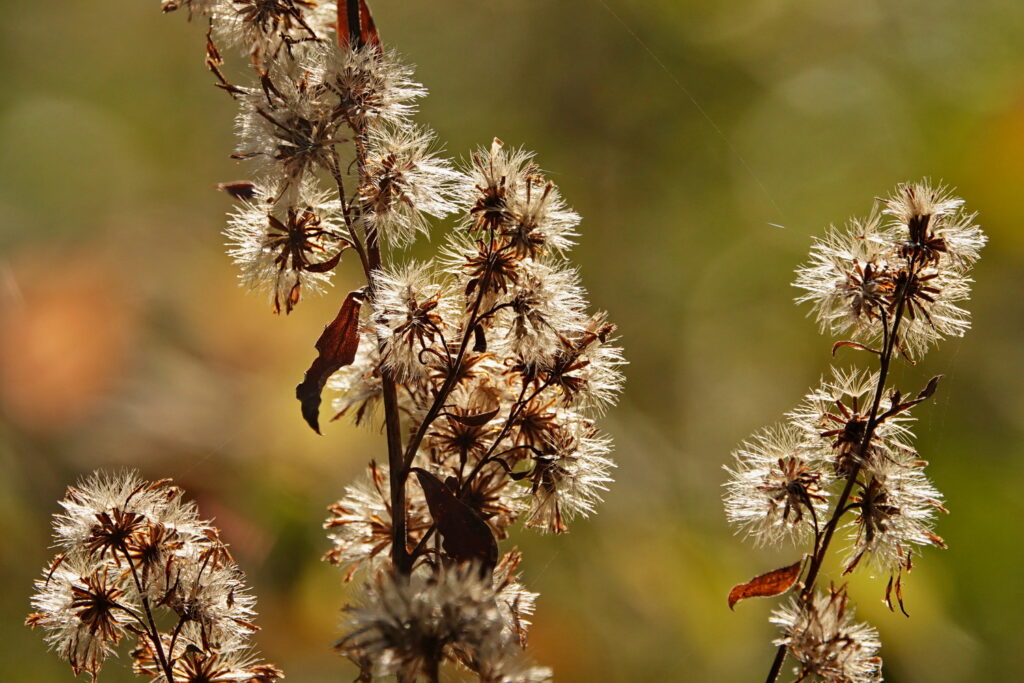
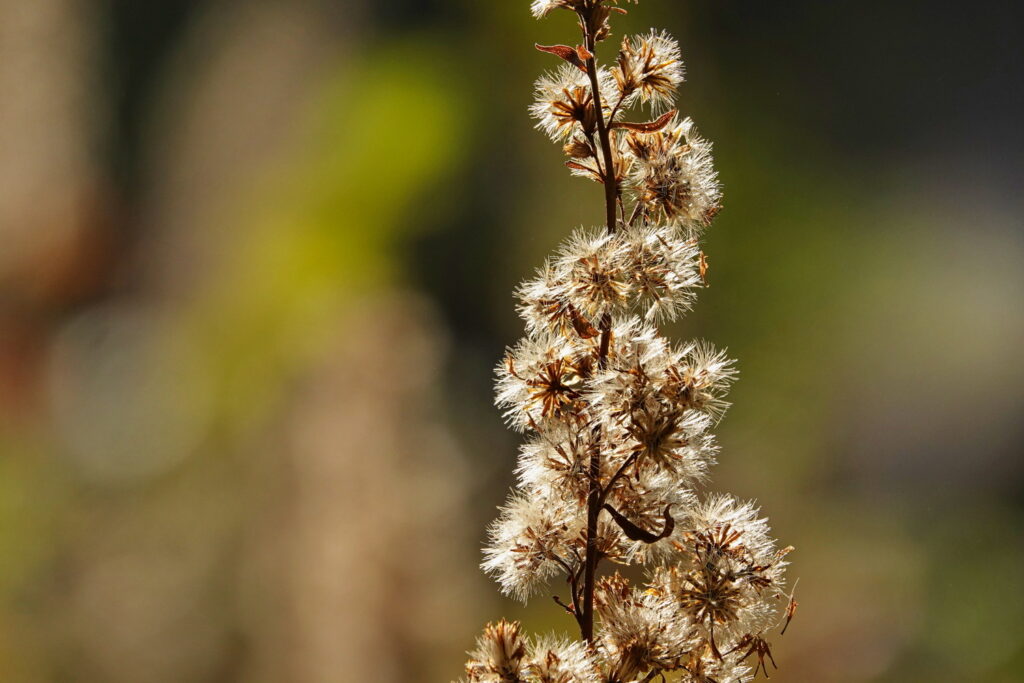
What we perceive at first glance as a “flower” is, in the case of goldenrod—a typical representative of the Asteraceae family—composed of many delicately formed individual flowers. Heinz Grill described goldenrod as characteristic of the light-ether quality. He also writes:
“Goldenrod bestows a deeply hidden imagination, a faded memory that hardly anyone dares to think of today. In its radiance, it symbolizes the joy of the heavenly hierarchies, the joy of the angelic beings, and of heaven itself.” (6)
The basis of all contemplation here is always the goldenrod flower. Nevertheless, I find it very remarkable how even the seed heads—which are pale brown in themselves—glow so radiantly when backlit.
Fotos und Text: Lilly Zahara, 20.10.2026
(1) Heinz Grill, Die Idee des rhythmischen Zusammenwirkens, Vortrag von Heinz Grill vom 9. Dezember 2014 in Luxor, Ägypten
(2) Heinz Grill, Spirituelle Ökologie, Aufsatz vom 20. Juni 2022, veröffentlicht unter heinz-grill.de
(3) Vortrag nachzulesen in: „Der Jahreskreislauf als Atmungsvorgang der Erde und die vier grossen Festeszeiten“, Dornach 1936, GA 223.
(4) https://yoga-und-synthese.de/
(5) „Der Jahreskreislauf als Atmungsvorgang der Erde und die vier grossen Festeszeiten“, Dornach 1936, GA 223, S. 50.
(6) Heinz Grill: Der Archai und der Weg in die Berge. Eine spirituell-praktische Anleitung in der Ergründung der Wesensnatur des Berges. 2. Auflage. Verlag für Schriften von Heinz Grill, Soyen 2002, S. 88–89.